
June 7, 2026, Plaza de Cibeles (Madrid). A live event, nearly 2 million people Live event broadcasting involves capturing, transmitting, and broadcasting the audio and video of an event live—without interruptions or desynchronization—in real time and with no room for post-production corrections. Enbex designed and operated the complete IP AV infrastructure that supported that live broadcast—audio, video, and communications—from start to finish.
Here’s an explanation for anyone who sets the budget for an event, whether or not they have a technical background. For the organizer, it all boils down to three things: no interruptions in video or PA sound, faster setup, and peace of mind that comes from having a team monitoring the network in real time.
The challenge: In a live broadcast, there’s no such thing as “we’ll fix it later.”
Organizing a live event means managing risk in real time. Telecommunications protocols, IP video protocols, IP audio protocols, and displays all depend on something the audience doesn’t see: the infrastructure that carries their signals. If that infrastructure falters, the live broadcast falters. The event at Cibeles featuring His Holiness Leo XIV had three requirements: zero margin for error, a lot of signals moving together (synchronization, audio, video, and control over the same network) and a demanding physical environment (dozens of points scattered throughout the venue). The assignment: to make sure nothing was noticeable.
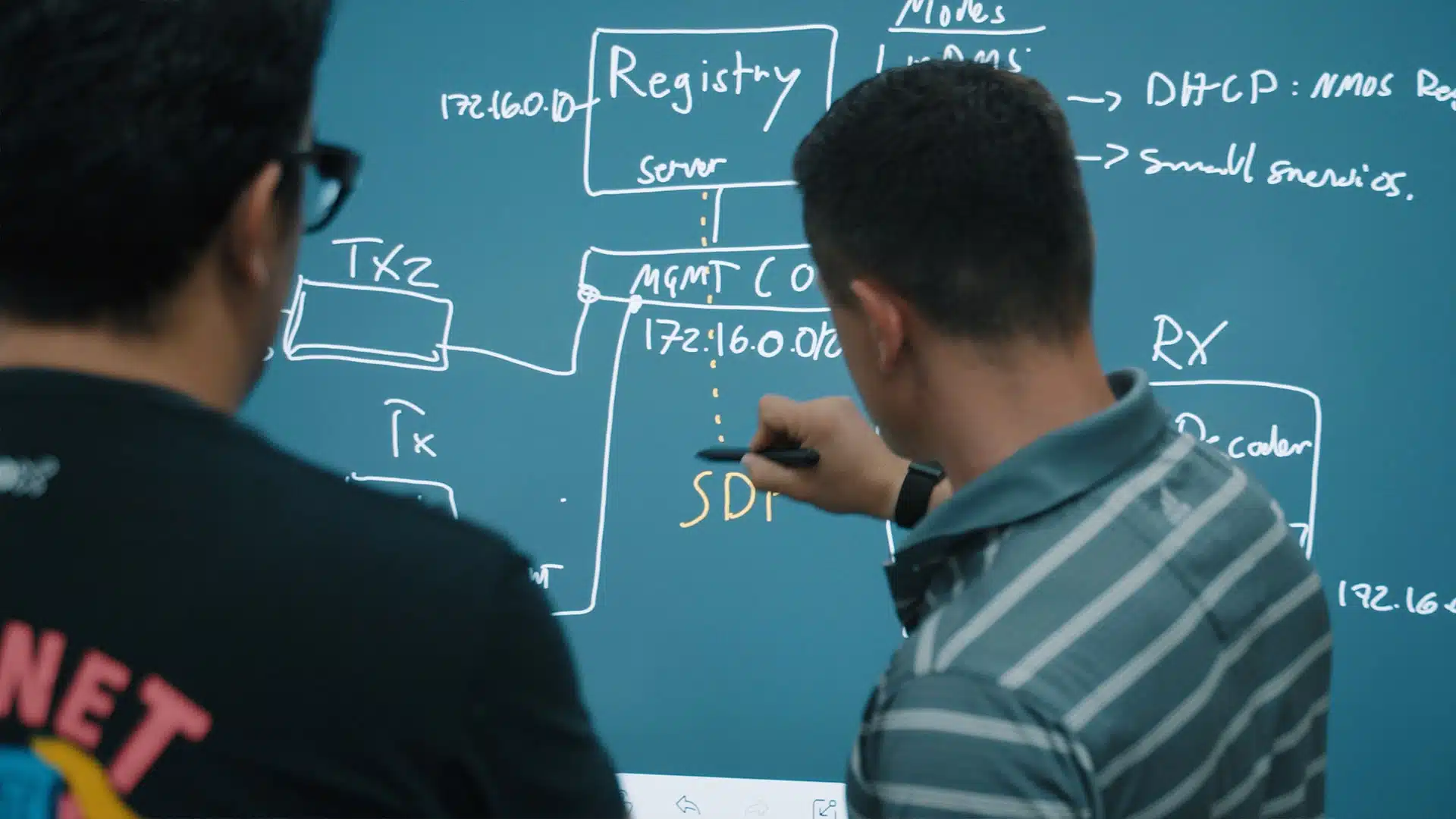
What's the difference between a professional broadcast and "just streaming"?
Broadcasting, producing, or transmitting audiovisual signals at a large-scale event isn't just a matter of plugging a camera into an online platform. A professional broadcast requires dozens of sources, signals, and protocols to be transmitted simultaneously, synchronized, and with no perceptible latency, and that they keep working even if something goes wrong. An app can't do that—only a a network designed as critical infrastructure with redundancy and a monitoring system.
| Appearance | Simple Streaming | |
| Simultaneous sources | A signal to a platform | Dozens of coordinated sources |
| Audio/Video Synchronization | Not guaranteed | Common Time Reference (PTP) |
| If a route fails | It cuts | Continue along the redundant route |
| NETWORK | Wi-Fi/General Information About the Venue | IP network designed as critical infrastructure |
| Supervision | None | NOC Monitoring in Real Time |
The architecture designed by Enbex for Cibeles
Audio and video traveling as data over a single IP network
All the signals traveled on a single IP network. For the organizer: Less setup, more reaction in the face of change. (Technical: Dante audio and SMPTE ST 2110 video over a multi-vendor Arista + Cisco architecture; open standards.)
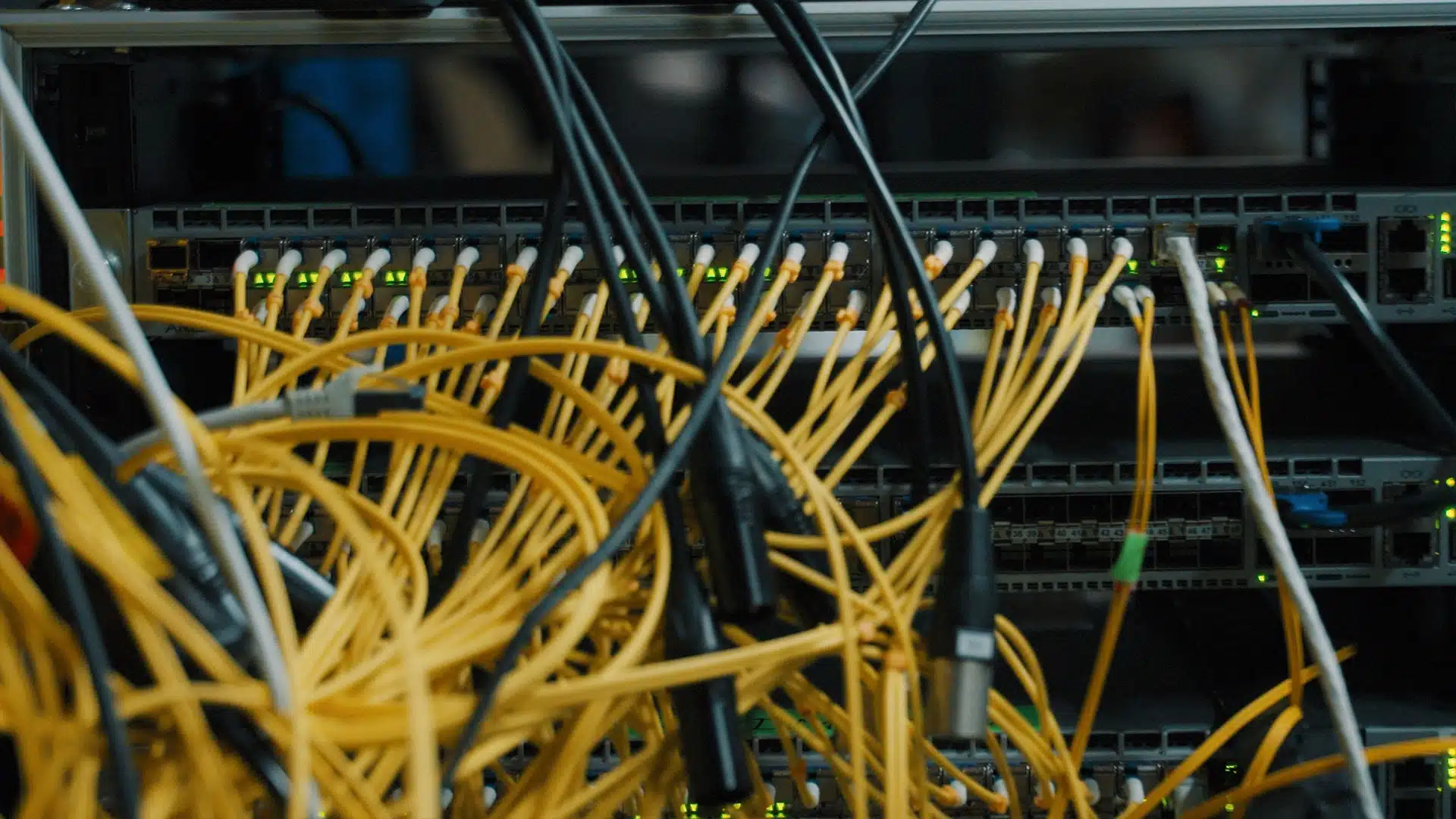
True redundancy: two paths for each signal
If one route goes down, the signal continues along the other one without any noticeable break —and without the audience noticing the handoff. That’s what sets a professional broadcast—one that’s carefully planned and backed by experience and expertise—apart from a completely improvised one.
Precision Synchronization with PTP V2
One common time reference keeps the audio and video in sync. (Technical: PTP V2 with a dedicated edge clock and separate audio/video domains; accuracy in the order of nanoseconds.)
The Invisible Layer: A Management Network and a NOC That Monitors Live Operations
In addition to the network it operated, Enbex set up a dedicated management network and In-house Wi-Fi on the premises, to operate the network without interfering with the live broadcast. On top of that layer, a Custom-configured NOC, in real time: The goal isn't to put out fires; it's to to see the smoke before there's a fire.
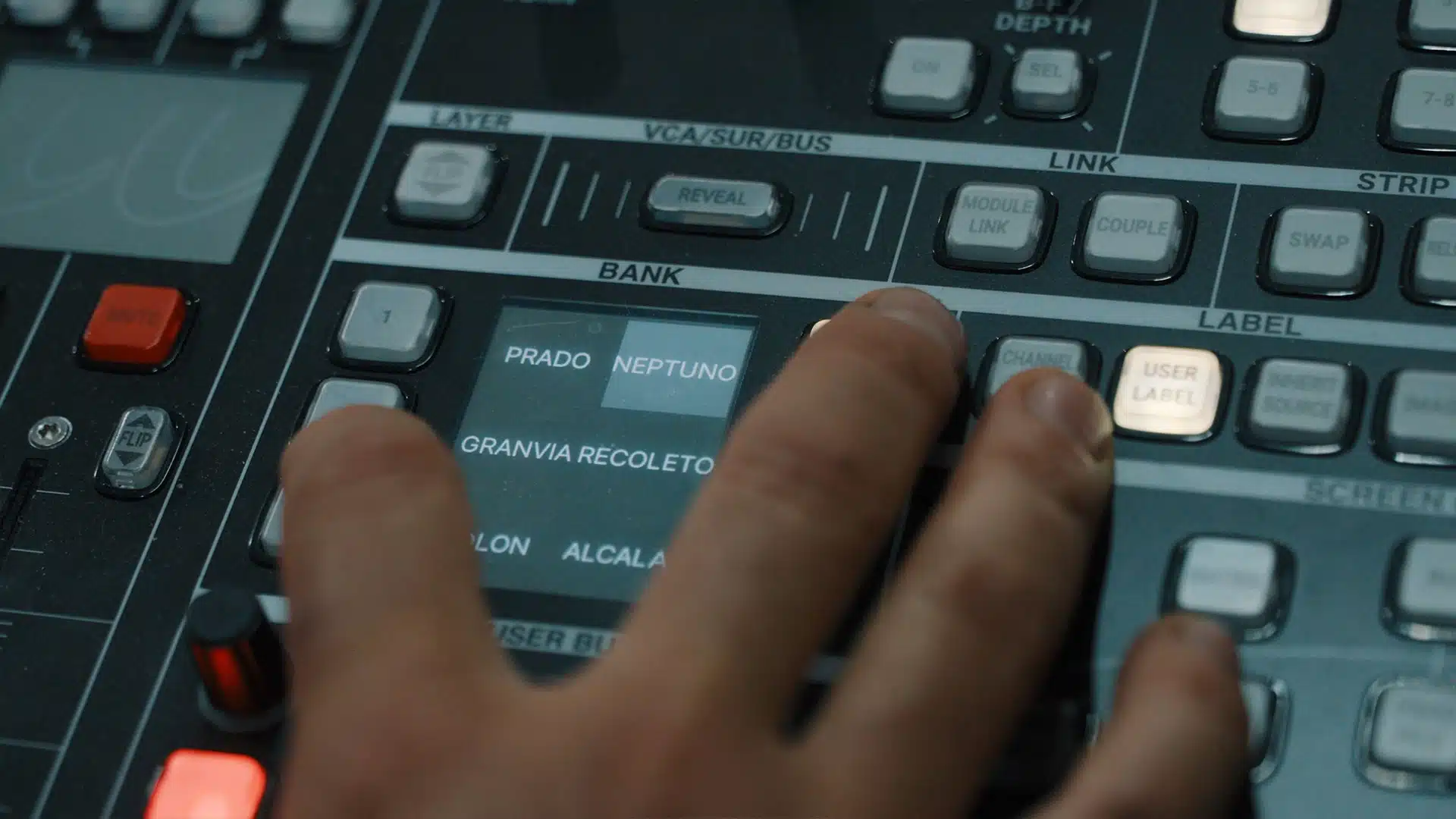
Enbex NetBuilder: The Platform That Orchestrates It All
That entire operation was supported by enbex NetBuilder, Enbex's proprietary platform for designing, deploying, and monitoring multi-vendor broadcast networks. The customer does not have to rely on a technician to remember how everything is set up, but rather on a a system that documents, monitors, and reproduces infrastructure.
The Enbex Advantage
- Vendor neutrality — each component is chosen for what it offers, not for what we want to sell.
- Validation before going live — nothing is taken for granted “just because it should work.”
- Monitored operation — a NOC monitoring the event in real time throughout its duration.
The result: the best network is the one nobody notices
The technology did its job and remained invisible. For the organization, the value was peace of mind: a design built to be fail-safe, backed by a team keeping a close eye on it. The same high standards as other Enbex live broadcasts (the 2022 Champions League Final, the New Year’s Eve chimes at Puerta del Sol).
Project Specifications
| Concept | Specifications |
| Audio Transmission | Dante over IP |
| Video Transmission | SMPTE ST 2110 over IP |
| Network Architecture | Multi-vendor (Arista + Cisco) |
| Redundancy | Dual Path Per Signal (Seamless Switching) |
| Synchronization | PTP (IEEE 1588), dedicated edge clocks, separate audio/video domains · accuracy in the order of µs |
| Management Network | Dedicated + On-site WiFi |
| Monitoring | Real-Time NOC |
| Orchestration platform | Enbex NetBuilder |
| Number of fountains / cameras | [pending: team information] |
| Network Access Points on Campus | [pending: team information] |
| Date and Location | June 7, 2026 · Plaza de Cibeles, Madrid |
We design the framework that supports your live stream, from start to finish Contact enbex.
Frequently Asked Questions
What is live event streaming?
It involves capturing, transmitting, and live-streaming the audio and video of an event without interruptions or desynchronization. It happens in real time: there’s no room for corrections afterward.
How is it different from traditional streaming?
A simple stream sends a signal to a platform; a professional broadcast coordinates dozens of synchronized and redundant sources over a network designed as critical infrastructure.
How do you ensure there are no outages?
With redundancy—two paths for each signal—and a NOC monitoring the network in real time to detect problems before they affect the live broadcast.
Do I need my own network, or is the venue's Wi-Fi sufficient?
A professional live broadcast requires infrastructure designed specifically for that purpose. The venue's standard Wi-Fi does not guarantee the bandwidth or stability required for a professional broadcast.
Does Enbex broadcast live events in Madrid and throughout Spain?
Yes. Enbex designs and operates live event broadcasts in Madrid and throughout Spain, using its own equipment and platform.
Enrique Romero
Design and Implementation of IP Network Architectures